 Skip to content
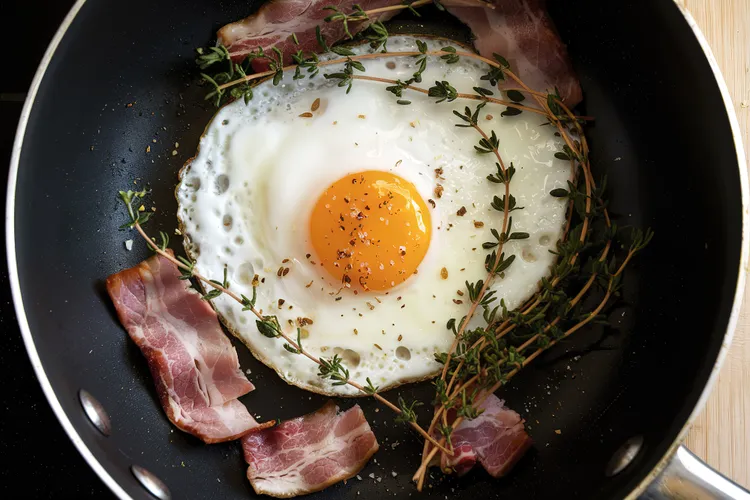
Here are 8 proven chef tips to ensure your eggs never stick to the pan again. These methods focus on technique, heat control, and pan preparation.
1. The Right Pan is Non-Negotiable
Use a heavy-bottomed non-stick skillet for best results. While well-seasoned cast iron or carbon steel can work, a quality non-stick pan is the most foolproof for eggs. Ensure it’s in good condition without scratches.
2. Preheat the Pan Properly
Don’t add fat to a cold pan. Place your empty pan over medium-low to medium heat for 1-2 minutes until it’s properly warm. A drop of water should skitter across the surface, not sizzle violently or sit still. Then add your fat.
3. Choose Your Fat Wisely
Use a sufficient amount of fat with a high smoke point:
-
Butter: For flavor, but it can burn. Use clarified butter (ghee) or a mix of butter and a neutral oil.
-
Neutral Oil: Avocado, grapeseed, or vegetable oil are excellent choices.
-
Bacon Fat: Adds incredible flavor and works perfectly.
4. The Heat Must Be Low and Slow
High heat is the enemy of non-stick eggs. It makes proteins bind aggressively to the pan. Cook eggs over gentle, medium-low heat. This allows them to set gradually without burning or sticking.
5. Wait for the Sizzle (But Not a Scream)
After adding your fat to the preheated pan, let it heat for about 30 seconds. It should be hot enough that the egg sizzles gently upon contact. A violent, spitting sizzle means your pan is too hot.
6. Don’t Crowd the Pan
Cooking too many eggs at once lowers the pan’s temperature, causing them to steam and stick. Cook in batches if necessary to ensure each egg has its own space and makes proper contact with the hot surface.
7. Be Patient and Don’t Poke Too Soon
Let the egg set and cook undisturbed for at least 60-90 seconds. You’ll know it’s ready to flip or move when the edges are fully cooked and it releases easily from the pan when you gently shake it or slide a spatula underneath.
8. The Ultimate Test: The “Shimmy-Shake”
A properly cooked egg will release on its own. Once the white is mostly set, grab the handle and give the pan a gentle shimmy-shake. If the egg slides around freely, it’s perfectly cooked and not stuck at all.
Bonus Pro Tip: The Water Droplet Trick for Non-Stick Pans
If you’re using a non-stick pan, test its readiness with a few droplets of water. When the pan is at the perfect temperature (around 350°F/175°C), the water will form beads and skate across the surface without evaporating instantly. This is the Leidenfrost effect—your signal to add oil and then your eggs.
By following these steps—especially preheating the pan, using enough fat, and controlling the heat—you’ll have slidey, perfectly cooked eggs every single time.
