 Skip to content
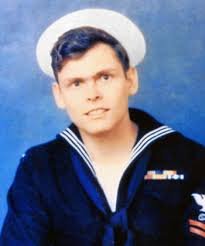
The story of Doug Hegdahl is one of the most remarkable and clever tales of resistance to come out of the Vietnam War. Here is a detailed account of his experience.
Table of Contents
ToggleDoug Hegdahl: The POW Who Played the Fool
Doug Hegdahl was a young sailor from South Dakota who, at the age of 21, found himself in a situation that required incredible cunning to survive. His story is a masterclass in using perceived weakness as a strategic weapon.
The Capture
-
Date: August 6, 1967
-
Circumstance: Hegdahl was serving as a seaman on the USS Canberra off the coast of North Vietnam. During a movie on deck, he was leaning against the railing when a sudden lurch of the ship caused him to fall overboard into the Gulf of Tonkin.
-
Adrift: He floated for hours before being spotted by a North Vietnamese fishing trawler and captured. He was taken ashore and became a Prisoner of War (POW).
The Decision to “Play Stupid”
Upon capture, Hegdahl was subjected to the standard interrogations. The North Vietnamese (NV) wanted names, ranks, serial numbers, and intelligence about U.S. naval operations. Hegdahl knew the Code of Conduct instructed him to give only his name, rank, service number, and date of birth.
He quickly realized his captors saw him as a young, naive, and low-ranking sailor. He decided to lean into this perception completely. He would pretend to be what he later called “incredibly stupid.”
The Act: How Hegdahl Fooled His Captors
His performance was meticulous and brilliant:
-
The Illiterate Farm Boy: He claimed he couldn’t read or write. When given Communist propaganda to read, he would hold the materials upside down or pretend to struggle with simple words. This meant they stopped giving him written materials to analyze.
-
The Clumsy Oaf: He played the part of a bumbling fool to perfection. He would trip over nothing, drop food, and fumble with simple tasks. This made his captors view him with a mixture of contempt and amusement, considering him harmless and not worth intense scrutiny.
-
Forgetting His “Lesson”: After being forced to memorize and parrot anti-American slogans for propaganda broadcasts, Hegdahl would deliberately mess them up. He’d get the words wrong or deliver them with such a lack of conviction that the recordings were useless. His incompetence was his shield.
-
The Ultimate Insult – Forgetting His Serial Number: The one piece of information he was allowed to give, he pretended he couldn’t remember. He would give different, incorrect numbers each time he was asked, frustrating his interrogators who eventually gave up.
The Real Mission: Gathering Intelligence
While his “stupid” act provided a layer of personal protection, it served a much greater purpose. Because the NV considered him a simpleton, they became lax around him. They would speak freely in his presence, assuming he was too dumb to understand.
Hegdahl, however, was secretly memorizing everything.
-
The List: He began mentally compiling a list of every fellow POW he encountered. He memorized their names, ranks, and details about their physical condition. This was crucial for confirming who was alive and where they were being held.
-
Interrogator Identities: He memorized the names and identifying features of his NV interrogators for future war crimes investigations.
-
Prison Layouts: He noted the locations and layouts of the various prisons he was held in, including the infamous “Hanoi Hilton” (Hỏa Lò Prison).
To ensure he wouldn’t forget this vital information, he composed a rhyming poem in his head, embedding all the names and details. He would recite this poem to himself daily.
The Release and The Aftermath
In 1969, as a propaganda gesture, the North Vietnamese decided to release a few POWs. They selected three individuals they considered the least valuable and most sympathetic. Thanks to his masterful performance as the harmless, simple-minded farm boy, Doug Hegdahl was one of them.
Upon his release, he immediately debriefed U.S. intelligence. The information he provided was invaluable:
-
He provided the Pentagon with a list of 256 POWs he had memorized.
-
His intelligence helped confirm the status of missing servicemen and provided evidence of the conditions and treatment within the prison system.
-
He later testified before the U.S. Senate about the torture and mistreatment of American POWs.
Legacy
Doug Hegdahl’s story is a powerful testament to the idea that courage and resistance don’t always look like defiant heroism. Sometimes, they look like clumsiness and feigned ignorance. By weaponizing his captors’ underestimation of him, he protected himself, gathered critical intelligence, and ultimately contributed to the well-being of his fellow prisoners after the war. He is remembered as a true American hero who used his wits to outsmart his enemies.
