 Skip to content
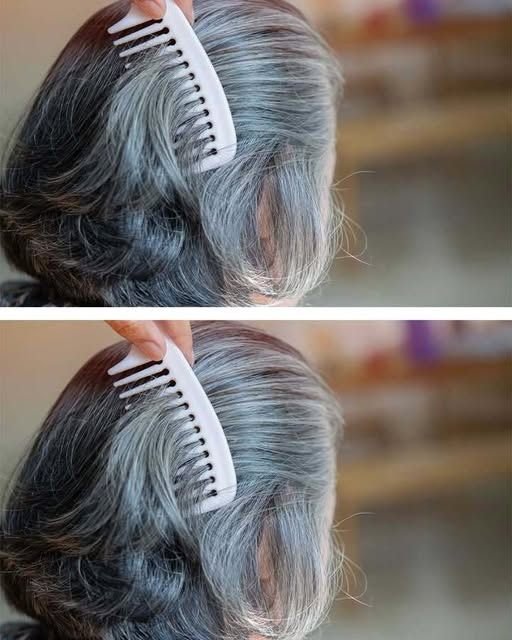
It’s important to approach this topic with a focus on safety, realistic outcomes, and healthy hair practices. While salons are experts in color correction, there are indeed methods to help manage and transition your hair color at home.
Here are 8 hacks for encouraging your hair back to its natural color, emphasizing safety and hair health.
1. The Vitamin C Treatment (Color Fading)
This is a popular method for gently fading semi-permanent dye and chemical buildup.
-
How it works: Crush 10-15 vitamin C tablets (pure ascorbic acid) into a fine powder. Mix with a generous amount of clarifying or anti-dandruff shampoo (like Head & Shoulders) to form a paste. Apply to damp hair, cover with a shower cap, and leave on for 30-60 minutes. Rinse thoroughly.
-
The truth: This won’t remove permanent dye but can significantly lighten and fade color by stripping surface deposits. It can be drying, so follow with a deep conditioner.
2. Clarifying & Anti-Dandruff Shampoo (The Gradual Fade)
-
How it works: These shampoos are formulated to deep-clean and remove product buildup. This same action also helps strip artificial color molecules from the hair shaft over time.
-
The truth: This is a slow and gradual process. Washing with a clarifying shampoo 2-3 times a week will consistently fade your color. It’s one of the least damaging methods but requires patience.
3. Baking Soda Paste (Gentle Abrasion)
-
How it works: Mix baking soda with your regular shampoo (a 1:1 ratio) to create a gritty paste. Massage it into your hair and let it sit for 5-10 minutes before rinsing.
-
The truth: Baking soda is a mild abrasive that helps scrub away color. However, it has a high pH, which can be drying and rough on the hair cuticle. Use this sparingly (no more than once a week) and always condition well afterward.
4. Honey & Conditioner Mask (Natural Lightening)
-
How it works: Mix raw honey (which contains a small amount of natural peroxide) with a white conditioner and a tiny bit of cinnamon (a catalyst). Apply as a mask for several hours.
-
The truth: This is an extremely gentle, hydrating, and safe method. The lightening effect is very subtle and works best on naturally light hair or to soften highlights. It will not reverse dark dye but can help lighten hair over many applications.
5. The “Grow-Out” Blend with a Gloss
-
How it works: Instead of removing color, you can blend your natural roots with the dyed length using a clear demi-permanent gloss.
-
The truth: A clear gloss adds incredible shine, smooths the cuticle, and can help the two colors appear more seamless and intentional. It’s a professional trick for making the grow-out phase look polished and healthy.
6. Lemon Juice & Sun (Targeted Lightening)
-
How it works: Spritz a mixture of lemon juice and water on your hair and spend time in the sun. The citric acid acts as a natural bleaching agent.
-
The truth: This can effectively lighten hair but comes with a major caveat: it can be very damaging and drying. It also works unevenly. Use with extreme caution and always condition deeply afterward.
7. Embrace a Transitional Color (The Smart Switch)
-
How it works: If you have dark dye and want to return to a lighter natural color, use a semi-permanent dye that is much closer to your natural shade.
-
The truth: This doesn’t remove the old color but covers it with a less contrasting one, making the regrowth line far less noticeable. Choosing a shade closer to your natural color is the easiest way to “fake it” until you’ve grown it out.
8. The Most Important Hack: Nourish Your Scalp
-
How it works: Your hair’s health and color start at the scalp. The fastest way to get back to your natural color is to have healthy new growth.
-
The truth: A healthy scalp promotes faster hair growth. Use scalp massages, balanced nutrition rich in vitamins and protein, and avoid heavy styling products that can clog follicles. Healthy growth is the only true way to get 100% of your original color back.
Crucial Warnings & Realities Salons Know:
-
Permanent is Permanent: There is no safe, at-home method that can truly “remove” permanent black or dark brown dye and return it to your original light color. Professional color correction is often necessary for this.
-
Damage is the Biggest Risk: Many fading methods are drying and can damage the hair’s protein structure (keratin), leading to breakage, brittleness, and dullness.
-
Results are Unpredictable: DIY methods can result in brassy, orange, or uneven tones, especially if you have previously lightened or highlighted hair.
-
The Salon Secret: The number one thing salons won’t tell you is that patience and growing it out is often the healthiest and most effective method. They can help you manage this process with glosses, toners, and strategic cuts to keep your hair looking beautiful throughout the transition.
For any major color change, especially from very dark to light, consulting a professional colorist is always the safest bet to avoid catastrophic damage.
