 Skip to content
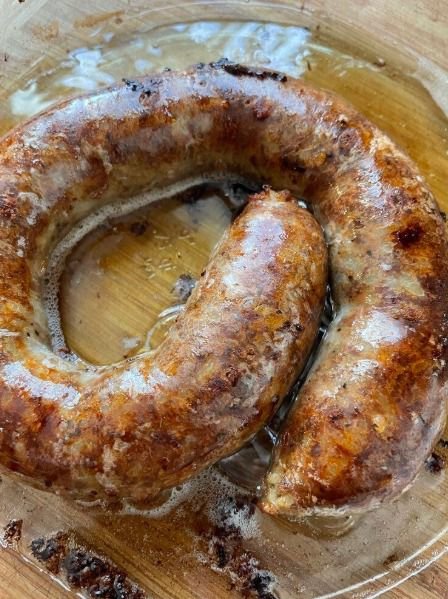
Here is a detailed overview of Hungarian Hurka, a traditional and beloved sausage.
Hungarian Hurka (Liver Sausage)
Hungarian Hurka (pronounced hoor-kah) refers to two main types of traditional boiled sausages: Májas Hurka (Liver Sausage) and Házi Hurka (a blood-free, rice-based sausage). When people say “Hurka,” they are often referring to the liver version, which is one of the most iconic staples of Hungarian cuisine, especially prevalent during the disznótor (pig slaughter feast).
1. Types of Hurka
There are two primary types:
-
Májas Hurka (Liver Hurka): This is the most common type. It’s a finely emulsified sausage made primarily from pork liver, lungs, and heart, mixed with rice, onions, and spices. It has a soft, spreadable texture when warm.
-
Házi Hurka (“Home” or “White” Hurka): This version contains no blood or liver. It’s made from ground pork meat (often shoulder), pork fat, and rice, seasoned with salt, pepper, and marjoram. It has a firmer, more granular texture compared to Májas Hurka.
This overview will focus on the Májas Hurka (Liver Sausage).
2. Key Ingredients
The ingredients are a testament to the “nose-to-tail” eating philosophy.
-
Meats: Pork liver is the star, supplemented with other offal like lungs and heart.
-
Filler: Rice is a crucial ingredient that stretches the meat, adds substance, and gives the sausage its characteristic texture.
-
Aromatics: Onions and garlic are sautéed until golden, providing a sweet, deep base flavor.
-
Spices: Salt, black pepper, and sweet marjoram are essential. Marjoram is the definitive spice of Hungarian hurka and sausage.
-
Casing: The mixture is stuffed into natural pork intestines.
3. Flavor Profile and Texture
-
Flavor: Rich, earthy, and savory from the liver and offal, beautifully balanced by the sweetness of the onions and the distinct, aromatic fragrance of marjoram. The seasoning is robust but not overly spicy.
-
Texture: When cooked properly, it is incredibly soft, moist, and almost spreadable. The rice grains provide a slight bite. It should not be gritty or dry.
4. How It’s Served and Eaten
Hurka is almost always cooked after being made. The most traditional methods are:
-
Boiling: Gently simmered in water for about 15-20 minutes.
-
Pan-Frying (The Favorite Method): Sliced into thick rounds and fried in a little lard or oil until the outside is crispy and brown while the inside remains soft and creamy. This is the most popular way to serve it.
Classic accompaniments include:
-
Fresh white bread or a crispy bread roll to spread the warm hurka on.
-
Mustard or horseradish to cut through the richness.
-
Pickled vegetables like cucumbers, peppers, or sauerkraut for acidity.
-
Raw white onions or scallions.
-
Served as part of a breakfast or a hearty dinner.
5. Cultural Significance
Hurka is deeply woven into Hungarian rural traditions. Its making is a social event centered around the disznótor—the annual winter pig slaughter. Family and neighbors gather to help process the entire pig, making various sausages, salamis, and lard. Freshly boiled hurka is often the first thing eaten from the newly butchered pig, shared amongst everyone present as a celebratory meal.
Simple Recipe Overview (Májas Hurka)
Making hurka at home is a labor of love but deeply rewarding.
-
Prepare Ingredients: Boil the rice until par-cooked. Boil the lungs and heart until tender. Sauté finely chopped onions until golden.
-
Grind: Grind the cooked lungs, heart, and raw liver through a fine plate of a meat grinder.
-
Mix: Combine the ground meat with the sautéed onions, par-cooked rice, spices (lots of marjoram!), and enough broth to create a soft, spreadable mixture.
-
Stuff: Using a sausage stuffer or a funnel, carefully fill the mixture into rinsed pork casings, twisting into links every 4-5 inches.
-
Cook & Store: Poach the sausages in simmering water for about 20-30 minutes until firm. Once cooled, they can be refrigerated for a few days or frozen for longer storage. Always pan-fry or boil before serving.
In summary, Hungarian Hurka is much more than just a sausage; it’s a cherished taste of Hungarian heritage, family, and tradition.
