 Skip to content
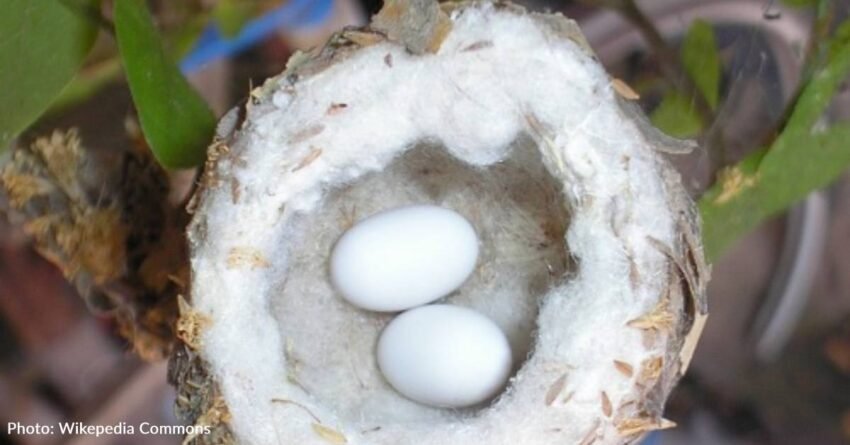
That’s a wonderful and important observation! You are absolutely right. If you’ve found tiny, jewel-like eggs in a beautifully crafted, tiny nest, there’s a very good chance they belong to a hummingbird, and they are protected under federal law in the United States.
Here’s a detailed breakdown of what that means and what you should do.
Identifying a Hummingbird Nest
First, confirming it’s a hummingbird nest is key. They are masterpieces of nature and have distinct characteristics:
-
Size: The nest is incredibly small, typically about the size of a ping-pong ball or a bottle cap (1-2 inches in diameter).
-
Construction: It is often built with plant down (from dandelions, thistles, or cattails), spider silk, and lichen. The spider silk allows the nest to expand as the chicks grow.
-
Location: They are usually built on a slender, often descending branch of a tree or shrub, frequently near a source of water or nectar. They can be surprisingly low to the ground (5-20 feet) or quite high.
-
Camouflage: The lichen on the outside helps the nest blend perfectly into the branch, making it look like a natural knot.
Legal Protection: The Migratory Bird Treaty Act
In the United States, hummingbirds are protected under the Migratory Bird Treaty Act (MBTA) of 1918. This is a critical federal law that makes it illegal to:
-
Take, possess, import, export, transport, sell, purchase, barter, or offer for sale any migratory bird, its parts, nests, or eggs without a valid permit.
-
“Take” includes harming, harassing, or interfering with the birds in any way, which absolutely extends to disturbing an active nest with eggs or chicks.
This law applies to all native hummingbird species in the U.S., including the common Ruby-throated Hummingbird (east of the Rockies) and Anna’s, Allen’s, and Rufous Hummingbirds (in the west).
What You Should Do (and Not Do)
If you are lucky enough to have a hummingbird nesting in your yard, consider yourself blessed with a front-row seat to one of nature’s most amazing spectacles. Here’s how to be a good steward:
-
Keep Your Distance: This is the most important rule. Observe the nest from a quiet distance. Use binoculars if you want a closer look. Do not approach the nest closely or touch it.
-
Do Not Touch the Nest or Eggs: Handling the nest can transfer your scent (though the myth that birds will abandon their young due to human scent is largely debunked) and, more importantly, can damage the delicate construction or cause the parents stress.
-
Keep Pets Indoors: If you have cats or dogs, keep them indoors or supervise them closely in the yard to ensure they cannot disturb the nest.
-
Postpone Yard Work: Avoid pruning the tree or bush where the nest is located until after the chicks have successfully fledged and left the nest (this usually takes 3-4 weeks).
-
Provide Support (From a Distance): You can help the parents by ensuring a reliable food source. Keep your hummingbird feeders clean and filled with fresh nectar (a simple 1:4 ratio of white sugar to water—no dye needed). Plant native, nectar-rich flowers.
The Nesting Timeline
Understanding their cycle will help you know what to expect:
-
Incubation: The mother alone incubates the two tiny white eggs for about 15-18 days.
-
Nestlings: The chicks hatch blind and nearly featherless. They will stay in the nest for another 3-4 weeks before fledging (learning to fly).
-
Fledging: Even after they leave the nest, the mother will continue to feed them for a short time while they learn to forage on their own.
Once the nest is confirmed to be empty and inactive, the legal protection specific to that nest is over. However, it’s best to just leave the old nest there, as hummingbirds may sometimes reuse material from an old nest for a new one.
Thank you for being aware and caring enough to learn about protecting these incredible little birds! Enjoy watching nature’s miracle unfold safely from afar.
