 Skip to content
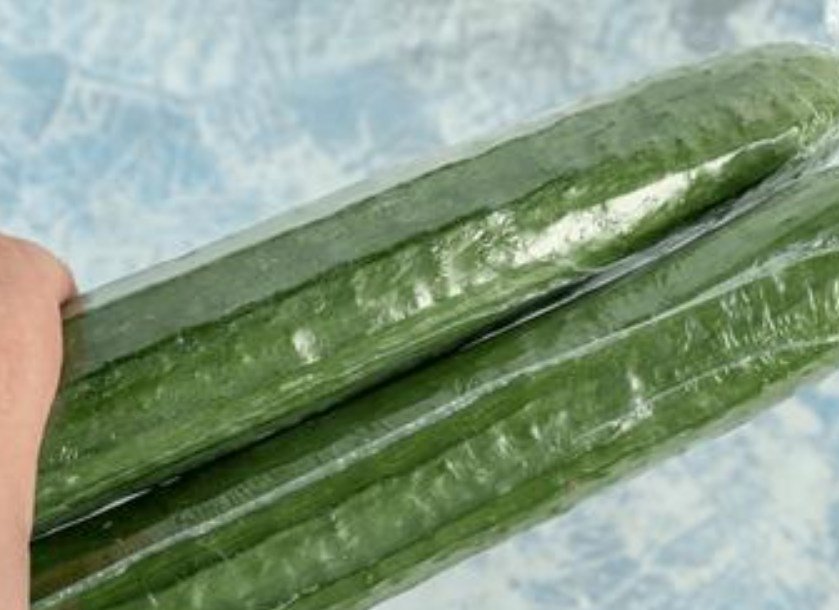
Why Are English Cucumbers Wrapped in Plastic?
English cucumbers (also called “hothouse” or “seedless” cucumbers) are almost always sold wrapped in plastic—and there are several practical reasons for this, though environmental concerns have sparked debate.
1. Protection & Shelf Life
- Thin skin: Unlike regular cucumbers, English cukes have delicate, unwaxed skin that’s prone to bruising and moisture loss. The plastic wrap:
- Reduces dehydration, keeping them crisp longer.
- Prevents damage during transport.
- Extends freshness: A wrapped cucumber lasts up to 2 weeks in the fridge vs. days unwrapped.
2. Hygiene & Contamination Prevention
- Grown in controlled greenhouse environments, these cucumbers are more susceptible to bacterial contamination (like Salmonella) from handling. The plastic acts as a barrier.
3. Commercial Logistics
- Labeling: The plastic allows barcodes and branding (e.g., “seedless”) without damaging the skin.
- Stacking: Wrapped cucumbers are easier to ship and display without sticking together.
4. The Environmental Debate
- Criticism: The plastic (often non-recyclable PVC) contributes to waste. Some UK/EU stores now sell them unwrapped or in biodegradable film.
- Alternatives: Look for brands using compostable wraps or buy from farmers’ markets where they’re sold loose.
Should You Remove the Plastic at Home?
- Keep it on until use to retain moisture.
- Wash before peeling/cutting, as bacteria on the plastic can transfer to the flesh.
Fun Fact: In the EU, plastic wrap on cucumbers was found to reduce food waste by up to 50%—sometimes outweighing the environmental cost of the plastic itself!
Would you prefer unwrapped English cucumbers if it meant shorter shelf life? 🥒♻️
